
Ensuring Exceptionally High Standards
Excellent provision starts with the people delivering it. We carefully select, train and support our tutors and mentors, with ongoing checks to ensure their work makes a meaningful difference to each young person.
The right people, prepared and supported
Every placement draws on tutors and mentors chosen for their expertise, SEND experience and ability to connect with young people, then kept to a consistent standard through training and oversight.
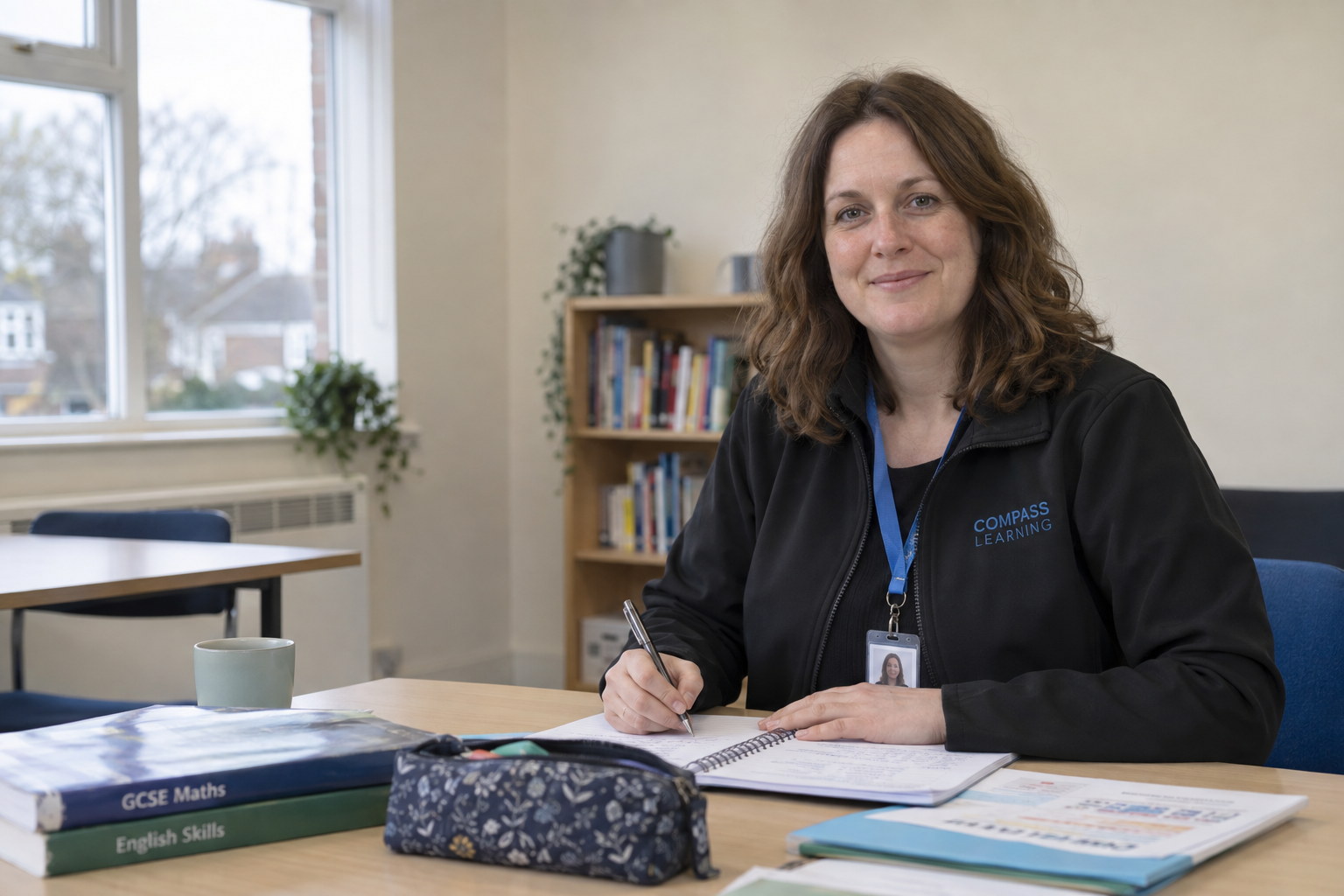
Three areas we hold to account
Select the headings below to read how each part of our practice is set, checked and improved.
Recruitment StandardsRelevant expertise, SEND experience and the ability to connect with young people.
Our tutors
In the vast majority of cases, our tutors hold Qualified Teacher Status (QTS). Where they do not, they have significant experience supporting students with SEND alongside a relevant undergraduate degree relating to the subject they tutor.
Our mentors
All our mentors have significant experience and expertise in supporting young people with special educational needs and disabilities (SEND), social, emotional and mental health needs (SEMH), and emotionally based school non-attendance (EBSNA).
Careful selection
We assess qualifications, relevant experience, subject knowledge and suitability to support individual learners. Safer recruitment checks underpin our selection process.
Thorough Preparation Before DeliveryEvery tutor and mentor completes training before working with a learner.
- Comprehensive SEND training, including understanding and supporting neurodiversity.
- Practical Compass SEND strategies to adapt communication, activities and learning environments.
- Curriculum training, including how to adapt learning to a young person's needs, starting point and goals.
- Mentoring framework training, including how to use the framework practically and link activities to individual outcomes.
- Thorough safeguarding training, including Keeping Children Safe in Education (KCSIE) 2026, Prevent, recognising concerns and reporting procedures.
Continuous Quality AssuranceWe review delivery and progress, listen to families and provide clear professional guidance.
Student assessment evidence
We review assessments and evidence of learning to understand progress, identify gaps and evaluate the effectiveness of support.
Observations
We observe tuition and mentoring to assess delivery, recognise effective practice and identify areas for development.
Student and parent/carer voice
We seek feedback to understand the young person's experience, engagement and confidence, and how well the programme meets their needs.
Named Programme Lead
Every placement has a named Programme Lead who sets and reviews the direction of support. They guide tutors and mentors, informed by the learner's needs, assessment evidence, EHCP outcomes where applicable and input from families and relevant professionals.
Review and improvement
Six-weekly reviews bring this evidence together to agree next steps, adapt delivery and identify any further staff guidance or development needed.
Confidence in the people supporting your learner
Talk to us about how our recruitment, training and programme oversight support a purposeful, personalised placement.